
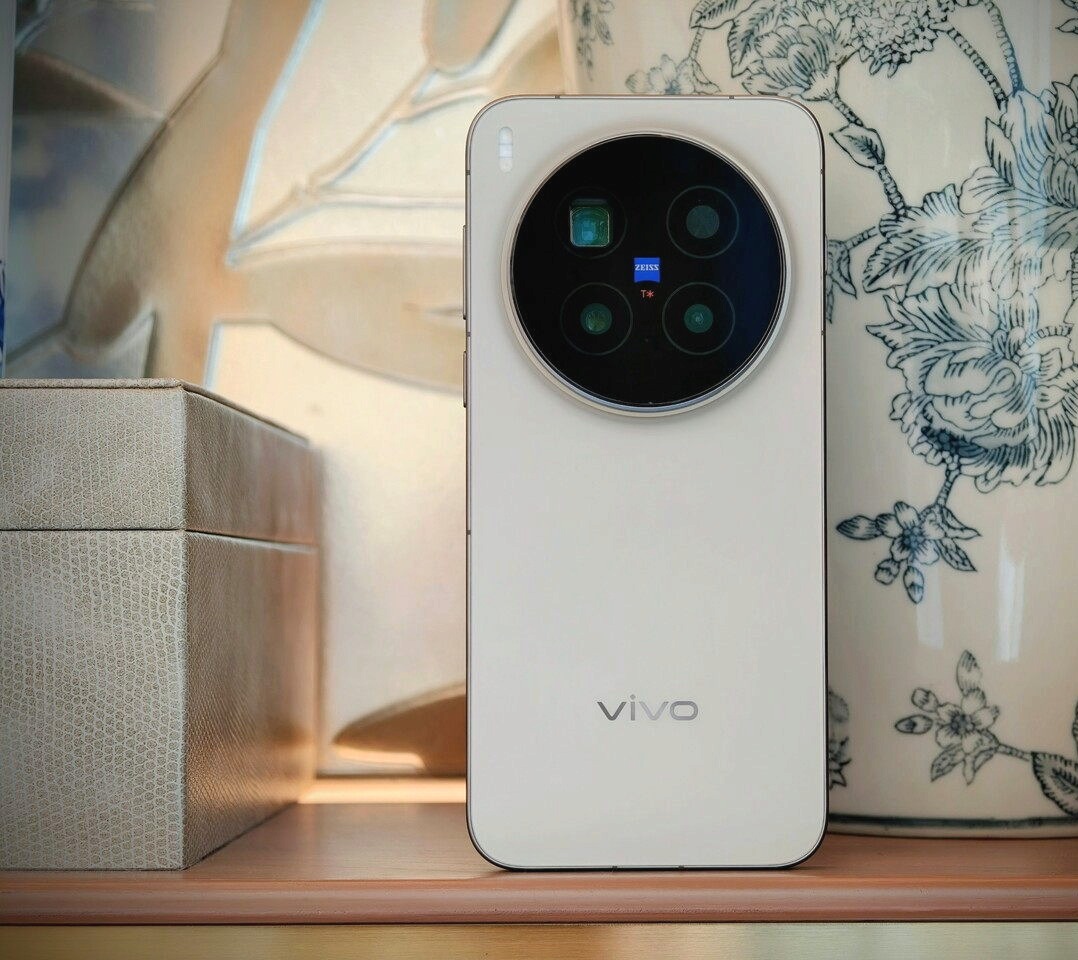
 Key Specs at a Glance
- Chipset: MediaTek Dimensity 9500 (3 nm)
- Memory & Storage: Up to 16 GB LPDDR5X, up to 1 TB UFS 4.1
- Display: 6.78″ flat LTPO Q10+ AMOLED, 1,260×2,800 px, 120Hz, 1.07 B colors
-
Rear Cameras:
- 50 MP Sony LYT-828 (main)
- 50 MP ultrawide (Samsung JN1)
- 200 MP periscope telephoto (1/1.4″)
- Front Camera: 50 MP
- Battery: 6,510 mAh (in some markets) with 90W wired / 40W wireless charging
- Software: OriginOS 6 (Android 16)
- Durability: IP68 and IP69 rated for dust and water
What Works Really Well (“Pros”)
-
Exceptional Camera System
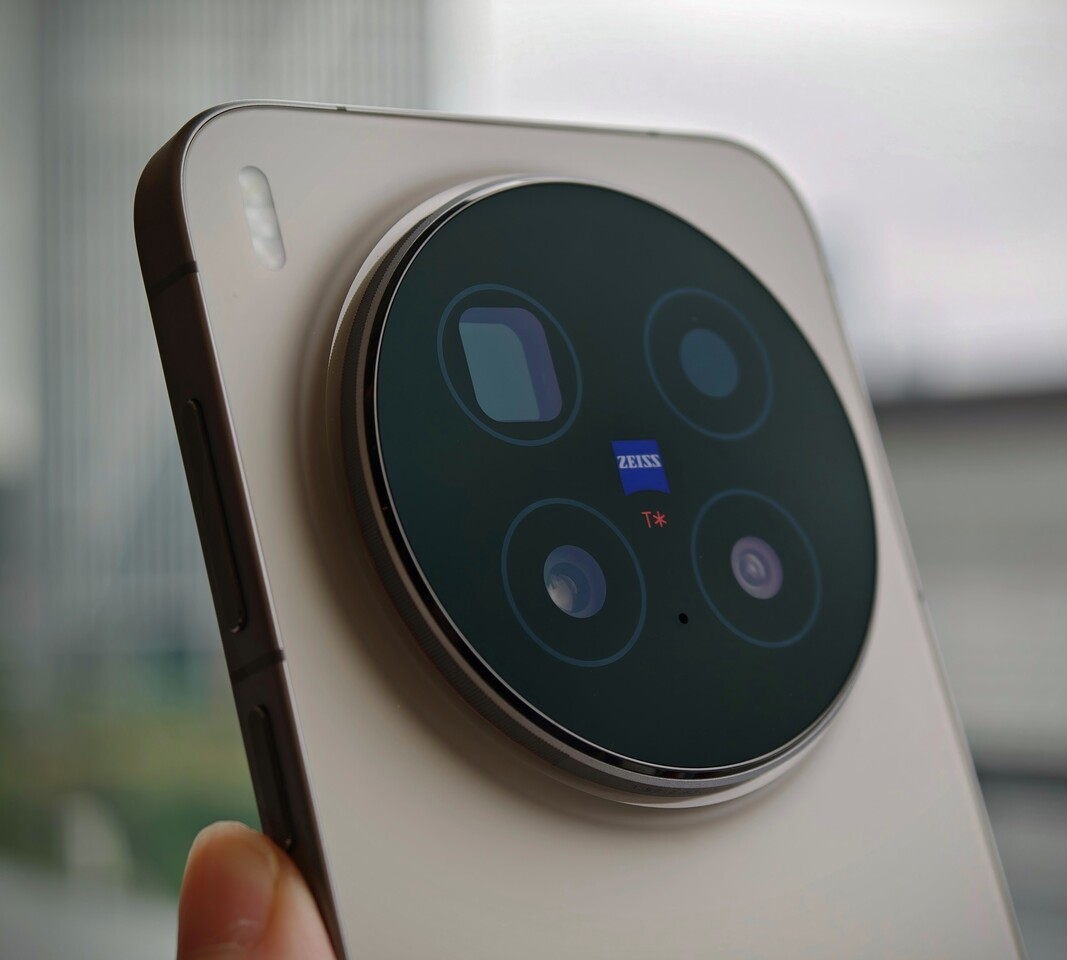
- The 200MP telephoto is the headline: it offers very high resolution and is paired with Zeiss optics, which provide outstanding zoom and detail.
- Vivo’s image pipeline is powerful: the phone uses a V3+ imaging chip plus a Vs1 preprocessor, which helps with noise reduction, color fidelity, and real-time processing.
- Optional photography accessories: there’s a telephoto extender/converter, which adds flexibility for serious photography. PhoneArena
- The partnership with Zeiss lends credibility: Zeiss’s “Natural Color Science” mode helps the photos feel more true-to-life.
- Strong Performance
- The Dimensity 9500 is very powerful and energy-efficient. Vivo
- High RAM + fast storage means the phone is very capable for multitasking, heavy use, and large photo/video files.
-
Excellent Display
- The 6.78″ LTPO AMOLED offers a smooth 1–120 Hz refresh rate, which is great for both power saving and fluid UI.
- High color fidelity (P3 gamut) and good brightness according to Vivo’s spec sheet. Vivo
-
Battery & Charging
- Large capacity (6,510 mAh in many markets) gives room for heavy camera use.
- Fast wired charging (90W) is very practical.
- “Battery Life Extender” mode: when the battery is very low, the phone can extend life such that 1% gives ~4 minutes of call time. Vivo
-
Build & Design
- Solid durability: IP68 + IP69 rating means good protection.
- Premium feel: well-built, good ergonomics for a large phone.
- The “photography kit” (handle, grip) is a differentiator for people who want to shoot more seriously.
- Software
- OriginOS 6 brings a refreshed, modern UI. According to WaterflyTech, it has AI-powered tools (like real-time caption translation, editing, etc.).
- Battery management features via silicon-anode battery + efficient NPU to optimize power. Vivo
Trade-offs / Weaknesses (“Cons”)
-
Battery Life Concerns
- According to PhoneArena, in their testing, the phone only lasted ~6.5 hours in their “battery life estimate.”
- There is a regional battery variance: some European models reportedly ship with a smaller 5,440 mAh version instead of 6,510 mAh.
- Although silicon-anode tech improves density and efficiency, it may raise long-term durability concerns (this is a general risk with newer battery chemistries). PhoneArena also mentions that expansion/longevity is a potential trade-off.
-
Thermal / Performance
- According to WaterflyTech, under very heavy use, there’s thermal throttling, and performance can drop over sustained loads. WaterFlyTech
- High-performance usage (camera + processing) could stress the NPU / CPU significantly.
-
Software Limitations
- Some professional reviewers/users note that software bugs or polish issues remain in OriginOS 6.
- OS update policy: Depending on the region, it might not be as long as some competitors (reports vary).
- Accessory Cost / Practicality
The telephoto extender or “photography kit” is optional but can be costly. Not everyone needs or will use it.
Using the extender makes the device more “camera-like” but reduces portability a bit.
Market Availability
- According to PhoneArena, limited availability in some regions (for example, not immediately available in the U.S).
- Importing may be necessary in markets where it’s not officially sold, which can raise prices or complicate service.
Real-World / Use-Case Analysis
- Photography Enthusiasts: This is where the X300 Pro really shines. If you’re someone who prioritizes camera quality, especially long-range zoom, this phone is very compelling. The telephoto capabilities plus Zeiss tuning make it a strong tool for serious mobile photography.
- Content Creators: Great for creators who take photos/videos, especially in hybrid scenarios (mobile shoots, social content). The combination of high-resolution sensors + fast processing helps.
- General Flagship Users: It’s also a capable flagship: good performance, a very solid display, and fast charging make it practical for everyday use. But if you don’t care about telephoto or ultra-high resolution, some of its advantages might feel overkill.
- Battery-Conscious Users: If battery life is your top priority, there’s a caveat. While the capacity is large, real-world battery life may vary, and in some regions, the capacity is lower.
- Mobile Gamers: The Dimensity 9500 + efficient thermal system makes it good for gaming, though sustained long sessions may trigger thermal throttling.
Verdict (Professional)
The Vivo X300 Pro is a specialist flagship. It’s not just another spec sheet phone — Vivo clearly designed it to serve photographers and power users who want a smartphone that feels like a camera. Its strengths in imaging (especially telephoto), its high-performance chip, and its fast charging make it extremely attractive for that audience.
However, it’s not perfect: battery life (especially in certain regions), thermal management, and software maturity are potential downsides. For someone who uses their phone primarily as a camera + productivity device, the trade-offs are very reasonable. For someone who prioritizes all-day battery or wants a more balanced “general-purpose” phone, there might be better options.
Bottom line: If you’re a photography enthusiast (or professional) looking for a mobile device that offers real telephoto power + high-resolution imaging, the X300 Pro is one of the most compelling phones around. But make sure you check the exact battery variant in your region before buying.
If you like, I can pull together a comparison of the Vivo X300 Pro vs its top 3 competitors (camera-flagship phones) — do you want me to do that?