
R134a Refrigerator Rate Chart: Understanding the Temperature-Pressure Relationship
Knowing some basics about your refrigerator’s cooling system can help you get a better feel for how these tools of modern engineering work, especially when it comes to different amounts of refrigerant and how they behave under different temperatures. R134a is a refrigerant commonly used in refrigerators. Knowing how much of it your fridge can contain and how temperature can change the pressure helps you operate your fridge more effectively. This blog is aimed to provide you with the most important things you need to know about the R134a refrigerator rate chart and how the temperature-pressure relationship inside your fridge can have a huge impact on its efficiency. \n\nWhat is R134a and why is it used in Refrigerators?\n\nThis refrigerant is a hydrofluorocarbon, or more commonly known as HFC refrigerant, and it is used in the fridge, the air conditioning, and even the automobile’s AC system. It is considered better for the environment than the old refrigerants like R12, due to the fact that it does not lead to ozone layer depletion. R134a works for cooling things by removing heat from the inside of the fridge and releasing it to the outside, thus making the temperature inside the unit very low, ensuring that food is maintained at an optimal storage temperature.
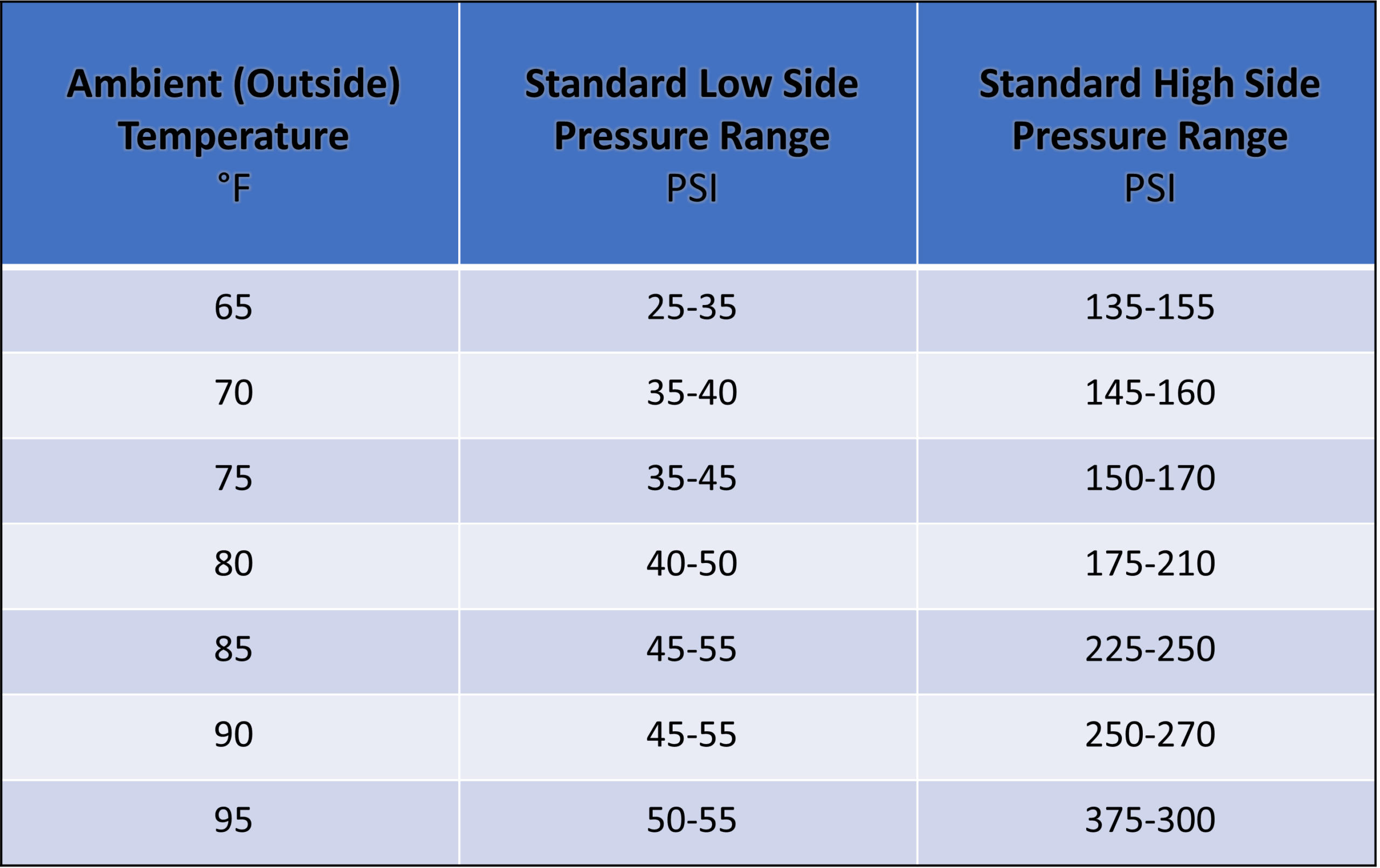
Most R134a Refrigerant Uses
Even R134a refrigerants have limitations, like putting too much or too little refrigerant into a system. Overcharging or undercharging R134a refrigerants will lead(either a system of a system) to inefficiency RF refrigerant system chart. However, this risk can R134a rate chart.
R134a Determining Charge Limits
Any refrigerant, R134a included, will change pressure depending on the temperature surrounding the refrigerant. To determine R134a pressure extremes for a given temperature, use a temperature-to-pressure chart.
Why the R134a Temperature to Pressure Chart is Important
The R134a Temperature-Pressure Relationship
R134a, like any refrigerant, changes its pressure depending on the temperature it is exposed to. The temperature-pressure chart helps determine the pressure that R134a should have at any given temperature, ensuring that the system is neither overcharged nor undercharged.
Here is an example of an R134a refrigerator rate chart:
| Temperature (°C) | Pressure (bar) | Pressure (psig) |
|---|---|---|
| -26 | 1.02 | 0.05 |
| 0 | 2.93 | 27.8 |
| 20 | 5.72 | 68.2 |
| 40 | 10.17 | 132.7 |
| 50 | 13.18 | 176.4 |
This chart shows how the pressure of R134a increases as the temperature inside the fridge rises. For instance, if the fridge temperature is at 0°C, the pressure should be around 2.93 bar or 27.8 psig. If the temperature increases to 40°C, the pressure should be about 10.17 bar or 132.7 psig.
For the following reasons, the R134a pressure-temperature relationships must be understood for optimal performance:
Efficiency. For optimal system output, R134a systems must be charged. Systems must be optimally charged so that during overall operation, heat will still be absorbed, maintaining the temperature below system cooling.
Avoiding Damage. Correct R134a system pressure must be maintained to prevent total loss of system failure or leak. R134a temperature to pressure chart utilization will improve system losses, maximally utilizing the system under normal operating conditions.
Preventing Overcharge or Undercharge: If a system gets overcharged, it might lead to high pressure, which can result in frozen evaporator coils or even a damaged compressor. If a system is undercharged, it will have a difficult time cooling, which leads to poor system performance and increased energy usage.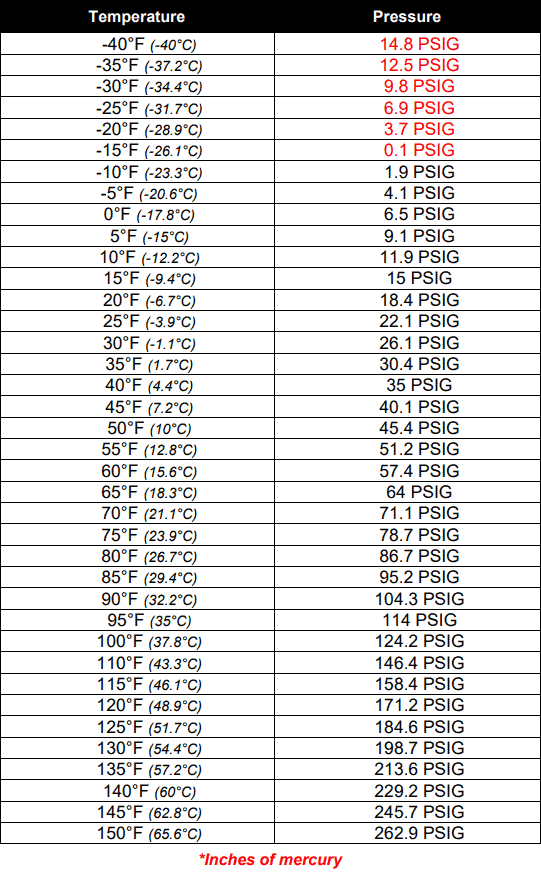
How to Use the R134a Rate Chart in Your Refrigerator
If you think your fridge is undercharged or overcharged with refrigerant, you can use the R134a pressure-temperature chart to see if your system is in the expected pressure range.
Measure the Temperature: The first step is to take a thermometer and measure the temperature inside the fridge. Most
How the Professional Can Help You
There are basics to understand about the R134a temperature-pressure functions and relationships. Even so, the process of recharging the refrigerant is best served by a certified technician. They add refrigerants and test the system to make sure there are no mistakes, and help avoid inefficiency or further damage.
Closing
The R134a refrigerator rate chart will help your refrigerator run safely and efficiently. You will have a better understanding of the relationship and pressure of the temperature of your refrigerator, to avoid undercharging or overcharging. Maintaining recharge levels will save energy over the lifetime of the appliance.